What’s the Best Type of Creatine? 7 Variants Compared
 Reading time: 12 min
When it comes to different types of creatine, monohydrate stands out. It's the most researched form, is almost completely absorbed by the body, and is typically the most affordable option. Other forms, including HCl, buffered, nitrate and ethyl ester creatine, have not been shown to work better (Kreider et al., 2022; Fazio et al., 2022).
Creatine has been studied for more than 30 years, yet new forms continue to enter the market. One 2022 review counted 88 creatine-related compounds in a single chemical database (Kreider et al., 2022). Some promise faster absorption, fewer side effects or smaller doses. One buffered form even claimed that 1.5 g could deliver the same results as 10-15 g of monohydrate (Kreider et al., 2022).
So, we revisited those reviews and studies to gather more information about the different types of creatine. Below, we compare the creatine variants, explore what the research states is the best type of creatine, and explain why purity is just as important as the variant of creatine you choose.
- The Best Type of Creatine: Monohydrate
- Different Types of Creatine Compared
- The Main Best Types of Creatine
- Powder, Capsules, or Gummies: Which Format Is Best?
- Why Creatine Purity and Quality Matter
- FAQ
The Best Type of Creatine: Monohydrate
Creatine monohydrate is the best type of creatine for most people. It is also the form used in the large majority of creatine research. It is proven to be almost completely absorbed by the body, and it costs the least per effective dose. Newer variants like HCl, buffered and ethyl ester creatine have not been shown to work better (Kreider et al., 2022; Fazio et al., 2022; Spillane et al., 2009).
In the studies we have looked through, it is clear that the key difference is mainly the strength of the scientific evidence. In fact, no peer-reviewed study has shown that equal amounts of other forms raise muscle creatine more than monohydrate (Antonio et al., 2021).
The systematic review “Efficacy of Alternative Forms of Creatine Supplementation on Improving Performance and Body Composition in Healthy Subjects” found only three studies that compared an alternative form directly with monohydrate (Fazio et al., 2022).
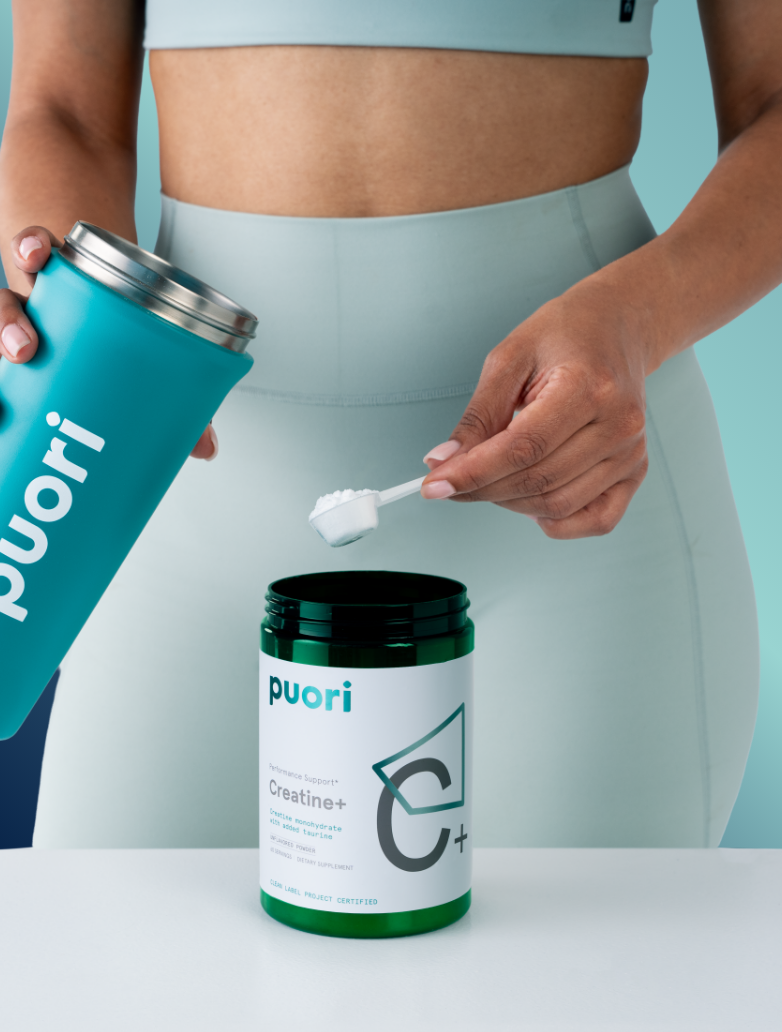
Monohydrate, therefore remains the only form with substantial evidence for bioavailability, efficacy and safety (Kreider et al., 2022). And it is exactly the type of creatine we use in our Creatine+ products.
Different Types of Creatine Compared
Not all forms of creatine contain the same amount of creatine per gram, and as mentioned not all have been studied equally. To determine the best type of creatine for your needs, it therefore helps to compare the research, composition and cost. See our full comparison in the table below.
When reading, you should keep in mind that a higher percentage of creatine doesn't automatically mean better absorption or performance from that specific variant. The percentages only reflect the chemical composition of each creatine form.
| Variant | % creatine by weight | What research shows | Cost per dose* |
|---|---|---|---|
| Monohydrate (incl. micronized) | 87.9% | Strongest evidence for effectiveness, absorption and safety | Lowest |
| Anhydrous | 100% | More creatine per gram, but no proven performance advantage over monohydrate | Medium |
| HCl | 78.2% | More soluble in water, but no proven advantage over monohydrate | Medium |
| Buffered (Kre-Alkalyn) | Not stated | No greater improvements in muscle creatine or performance than monohydrate | Higher |
| Ethyl ester | 82.4% | Less effective than monohydrate at increasing muscle creatine | Medium |
| Nitrate | 67.5% | Limited research; no demonstrated advantage over monohydrate | Higher |
| Magnesium chelate | 84.4% | Some positive performance findings, but no proven superiority over monohydrate | Medium |
| Liquid | n/a | Creatine can break down into creatinine over time in solution | Higher |
| Citrate, malate, pyruvate | Varies by compound* | Limited evidence of performance benefits; no proven superiority over monohydrate | Medium - Higher |
Note: Relative costs (Low, Medium, High) are indicative estimates based on typical US retail pricing, not verified market-wide averages. Actual prices vary by brand, formulation and retailer. Percentages represent creatine content by molecular weight, not product purity or absorption rate. The best type of creatine isn't necessarily the one with the highest creatine percentage or the newest formulation. The percentages in this table of the best types of creatine come from Kreider et al. (2022).
The Main Best Types of Creatine
Each type of creatine has different formulations and claims about absorption, effectiveness and performance. But how much of a difference do these variations actually make? Let's take a closer look at what sets each form apart, so you can decide which one is worth integrating into your routine.
Creatine Monohydrate
Creatine monohydrate consists of creatine combined with one water molecule, making it 87.9% creatine by molecular weight. It's well absorbed by the body and has been extensively studied for its effectiveness, safety and stability (Kreider et al., 2022).
It's also the most researched form of creatine, with strong evidence supporting its ability to increase muscle creatine stores, improve strength and support high-intensity exercise performance (Kreider et al., 2017). It is therefore usually considered the best type of creatine.
If you’re looking for a supplement that contains creatine monohydrate, you’ll find Creatine+ it in our product range. Continue reading about the product here.
Creatine Anhydrous
Creatine anhydrous is creatine with the water molecule removed, making it 100% creatine by molecular weight. This means it provides slightly more creatine per gram than monohydrate. However, the processing conditions used to remove the water can affect stability and potentially increase creatinine formation (Kreider et al., 2022).
Despite its higher creatine content by weight, there is no convincing evidence that anhydrous creatine offers better exercise performance than monohydrate.
Creatine Hydrochloride (HCl)
Creatine HCl combines creatine with hydrochloride to create a form that dissolves more easily in water. It's often marketed as offering better absorption and requiring smaller doses. However, greater water solubility doesn't necessarily mean better absorption or muscle uptake (Kreider et al., 2022).
In an eight-week resistance training study, both HCl and monohydrate were associated with improvements in strength and muscle size, but HCl did not demonstrate superior results (Eghbali et al., 2024).
Buffered Creatine (Kre-Alkalyn)
Buffered creatine is creatine monohydrate combined with alkaline ingredients. It's marketed as being more stable and effective at lower doses.
However, research comparing buffered creatine with monohydrate found no greater increases in muscle creatine stores, strength or body composition, even when comparable doses were used (Kreider et al., 2022).
Creatine Ethyl Ester (CEE)
Creatine ethyl ester is a chemically modified form developed with the aim of improving creatine absorption.
Research has not yet supported this advantage. In a 47-day study, creatine monohydrate increased muscle creatine stores more effectively than creatine ethyl ester. The ethyl ester group also showed substantially higher blood creatinine levels without greater improvements in strength or body composition (Spillane et al., 2009).
Creatine Nitrate
Creatine nitrate combines creatine with nitrate, a compound that may independently influence exercise performance.
Although some studies have investigated potential performance benefits, creatine nitrate has not demonstrated superior muscle creatine uptake or overall effectiveness compared with monohydrate (Kreider et al., 2022).
Magnesium Creatine Chelate
Magnesium creatine chelate combines creatine with magnesium, a mineral involved in normal muscle function and energy metabolism.
Some studies have reported improvements in exercise performance, but there is insufficient evidence that magnesium creatine chelate increases muscle creatine stores or improves performance more effectively than monohydrate (Kreider et al., 2022).
Liquid Creatine and Other Creatine Salts
Liquid creatine is sold in pre-mixed formulations rather than powder. However, creatine can gradually break down into creatinine when stored in solution, particularly under acidic conditions or at higher temperatures. The rate of breakdown depends on the formulation and storage conditions (Kreider et al., 2022).
Other forms, including creatine citrate, malate and pyruvate, combine creatine with different compounds. These formulations contain varying amounts of creatine by weight, meaning a larger serving may be needed to provide the same amount of creatine as monohydrate.
While some alternative salts have been investigated for exercise performance, none has consistently demonstrated superior benefits compared with creatine monohydrate (Fazio et al., 2022).
Powder, Capsules, or Gummies: Which Format Is Best?
Once you've chosen the best type of creatine for you, the next decision to make is how to take your creatine.
Powder, capsules and gummies can all be convenient options, but they differ in serving size, added ingredients, cost and ease of use.
| Format | Advantages | What to consider |
|---|---|---|
| Powder | Typically the most affordable per gram, easy to adjust the dose and can be mixed into drinks. | Requires measuring and mixing. Unflavoured options often have fewer added ingredients. |
| Capsules | Pre-measured, portable and convenient when travelling. | You may need several capsules to reach your daily dose, and the cost per gram is often higher. |
| Gummies | Easy to take without water and available in different flavours. | May contain added sugars or sweeteners, and multiple gummies may be needed to reach an effective dose. |
Regardless of format, look at the actual amount of creatine per serving, not just the serving size. A product containing 1 g per capsule, for example, requires five capsules to provide you with the recommended dose of 5 g of creatine.
It's also worth checking the ingredient list, cost per gram and whether the product has been independently tested for purity and contaminants.
Read more about our take on what “clean” actually means, when it comes to protein powder and creatine.
Why Creatine Purity and Quality Matter
Not all supplements are made to the same quality standards. Manufacturing processes can affect purity, and some creatine products have been found to contain unwanted byproducts such as creatinine, dicyandiamide and dihydrotriazine, as well as traces of heavy metals (Kreider et al., 2022).
This is why independent testing is so important to us. In the US, the FDA does not approve dietary supplements for safety and effectiveness before they reach the market (FDA, n.d.). Third-party testing provides an additional layer of quality assurance by checking products for unwanted contaminants.
And at Puori, this is one of our main priorities when creating our products. Every single batch of our Creatine+ is independently tested through the Clean Label Project for more than 200 contaminants This includes heavy metals and pesticides. We publish the results publicly so you can see exactly what's in your supplement. Just scan the QR code on your packaging to find the test results for your specific batch.
The views and information shared in this article are for informational and educational purposes only and have not been evaluated, reviewed, or endorsed by the U.S. Food and Drug Administration (FDA). This content is not intended to diagnose, treat, cure, or prevent any disease or medical condition. Always consult a qualified healthcare provider or licensed physician before making any changes to your health, medication, or wellness routine.
FAQ
Is the Best Type of Creatine Different for Women or Older Adults?
No. Creatine monohydrate remains the most researched and well-supported form for both men and women, including older adults. While the benefits may differ depending on age and individual needs, there's no convincing evidence that women or older adults need a different type of creatine (Kreider et al., 2022).
For women, creatine may support strength, muscle function and exercise performance. For older adults, research suggests that combining creatine with resistance training can help improve muscle strength and support healthy aging.
Read more in our article: “What Does Creatine Do For Women?”.
Is Creatine HCl or Monohydrate Better?
Creatine monohydrate is the better-supported choice, and therefore you could argue also the best type of creatine. While HCl may support strength and muscle growth alongside resistance training, research has not shown it to be more effective than monohydrate (Eghbali et al., 2024).
An eight-week study showed that both forms improved strength and muscle mass, but HCl showed no additional benefits over monohydrate (Eghbali et al., 2024). Monohydrate is also typically more affordable, making it the most evidence-backed and cost-effective choice for most people (Fazio et al., 2022).
Micronized vs. Regular Creatine Monohydrate?
Micronized creatine is simply creatine monohydrate processed into smaller particles, which can make it easier to mix into drinks. However, there's no convincing evidence that it's better absorbed or more effective than regular monohydrate (Kreider et al., 2022). Both offer the same well-studied benefits, so the choice mainly comes down to your own personal preference.
What Is the Best Type of Creatine for Building Muscle?
Creatine monohydrate is the best type of creatine for building muscle. It's the most extensively studied form, with strong evidence showing that it can improve strength and support muscle growth when combined with resistance training. Other forms, such as creatine HCl and buffered creatine, haven't demonstrated superior results (Kreider et al., 2022).
For most healthy adults, taking 3-5 g of creatine monohydrate daily is an effective approach, alongside consistent training and adequate protein intake.
Read more in: “How Long Does It Take to Build Muscle for Women?”.
What Is the Best Type of Creatine for Beginners?
Creatine monohydrate is also the best type of creatine for beginners. It's well researched, generally affordable and has an established safety profile in healthy adults. You don't need a more expensive formulation to experience its benefits (Antonio et al., 2021).
A daily dose of 3-5 g is typically sufficient. Remember, consistency matters more than timing, so choose a format that's easy to include in your daily routine.
References
U.S. Food and Drug Administration. (2024). Information for consumers on using dietary supplements.

Written by Alex
Editor, Puori


