
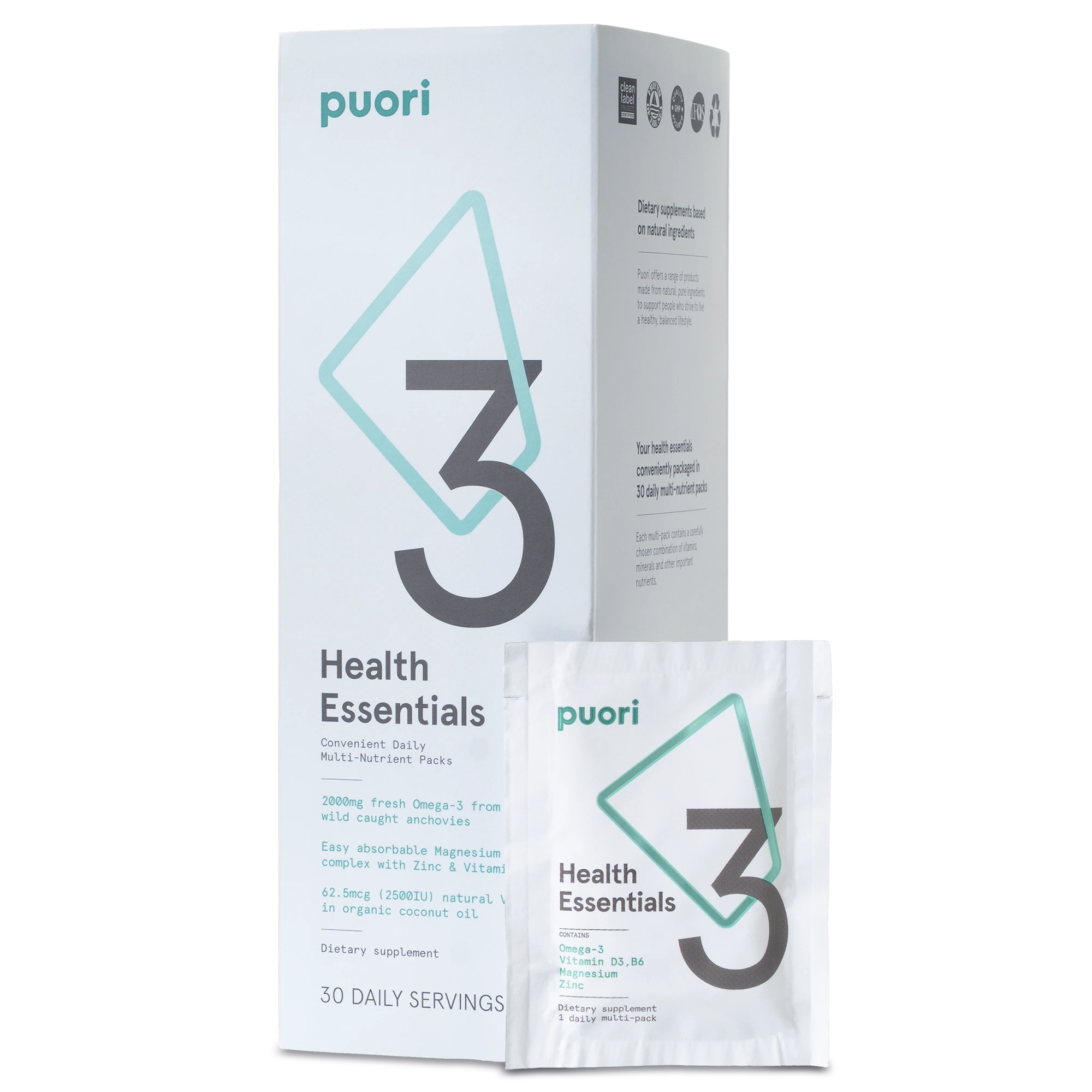
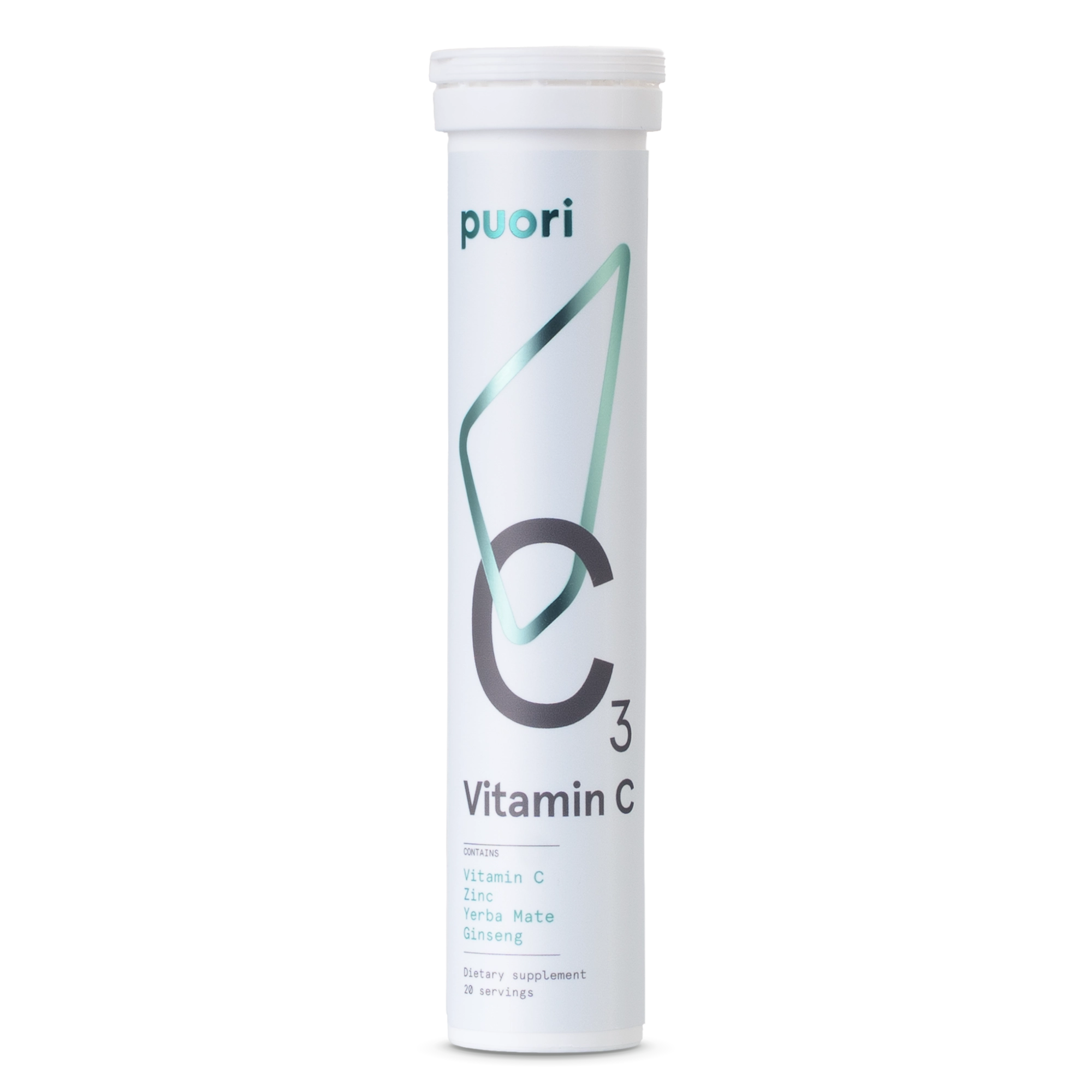
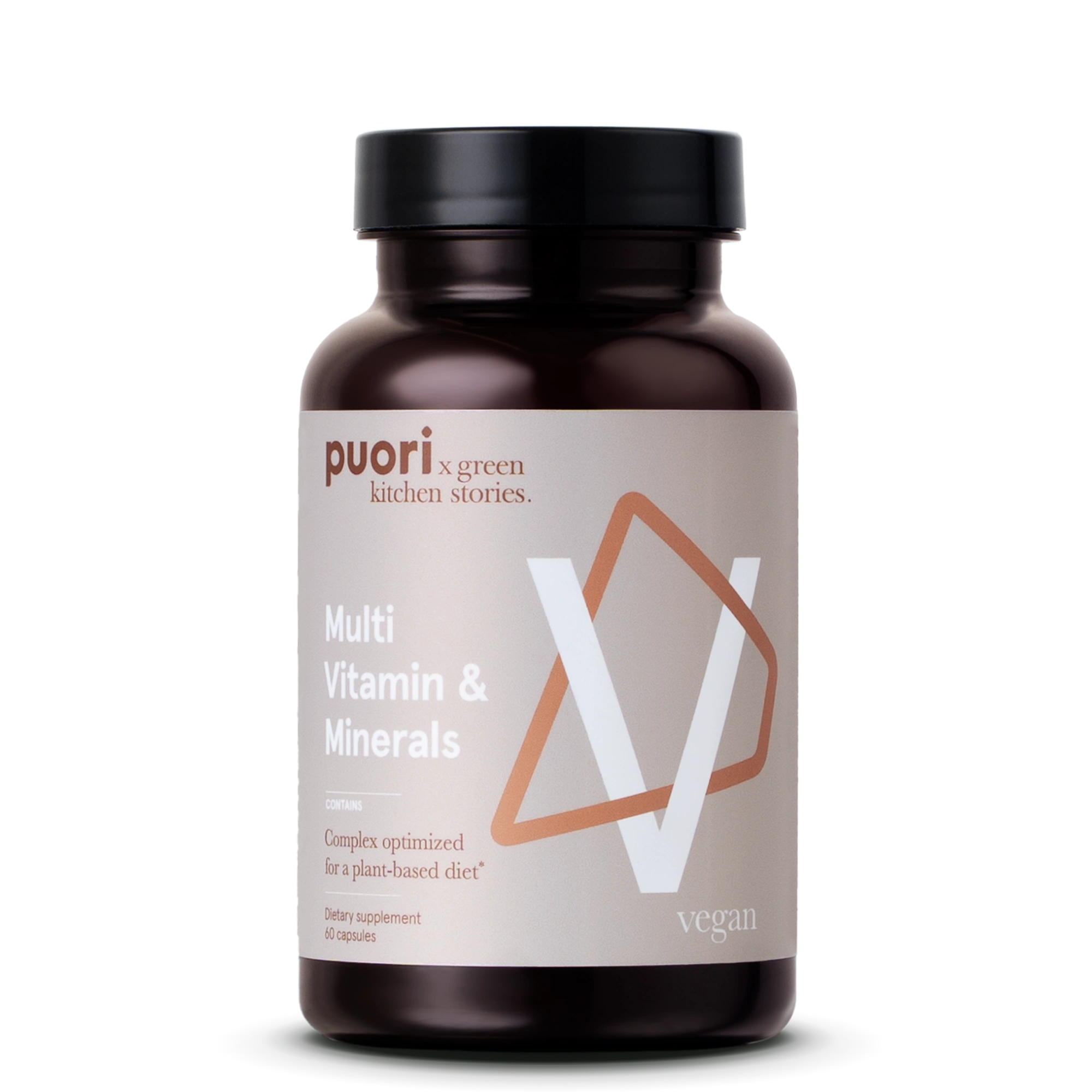

Common gaps linked to tiredness are B12, iron, and magnesium, all of which play a role in energy production and in reducing tiredness and fatigue. Persistent fatigue has many causes, so it's worth speaking to a healthcare professional if it doesn't lift.
It depends on what you're short on. If it's a B12 gap, B vitamins help most; if it's magnesium, that's the priority. A broad multivitamin is a sensible starting point when you're not sure.
Both support energy production in different ways, and they work well together. B12 helps convert food into energy, while magnesium supports the muscle and metabolic side. Taking them together is completely fine.
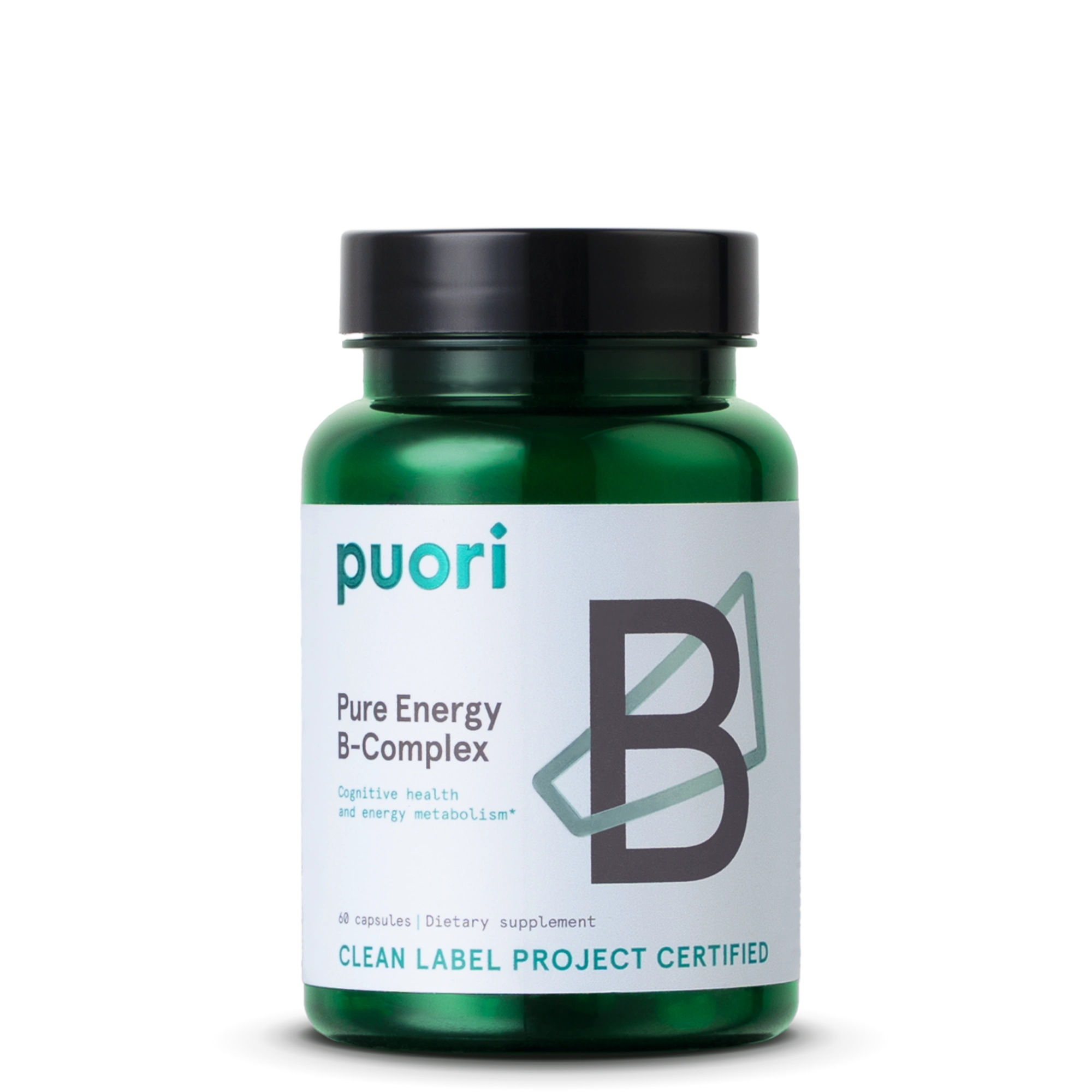
The B vitamins are the usual starting point, since B12, B6, and folate all help reduce tiredness and fatigue. Magnesium and iron play a role too. The best choice depends on which one you're short on, so a broad multivitamin is a reasonable place to begin if you're unsure.
Magnesium plays a role in muscle function, energy metabolism, the nervous system, and sleep, so people often look at their intake when they notice signs like these:
- Muscle cramps or twitches
- Ongoing tiredness or low energy
- Trouble winding down or sleeping
- Muscle tension or slower recovery after training
- Feeling restless or on edge
- A diet light on leafy greens, nuts, seeds, and whole grains
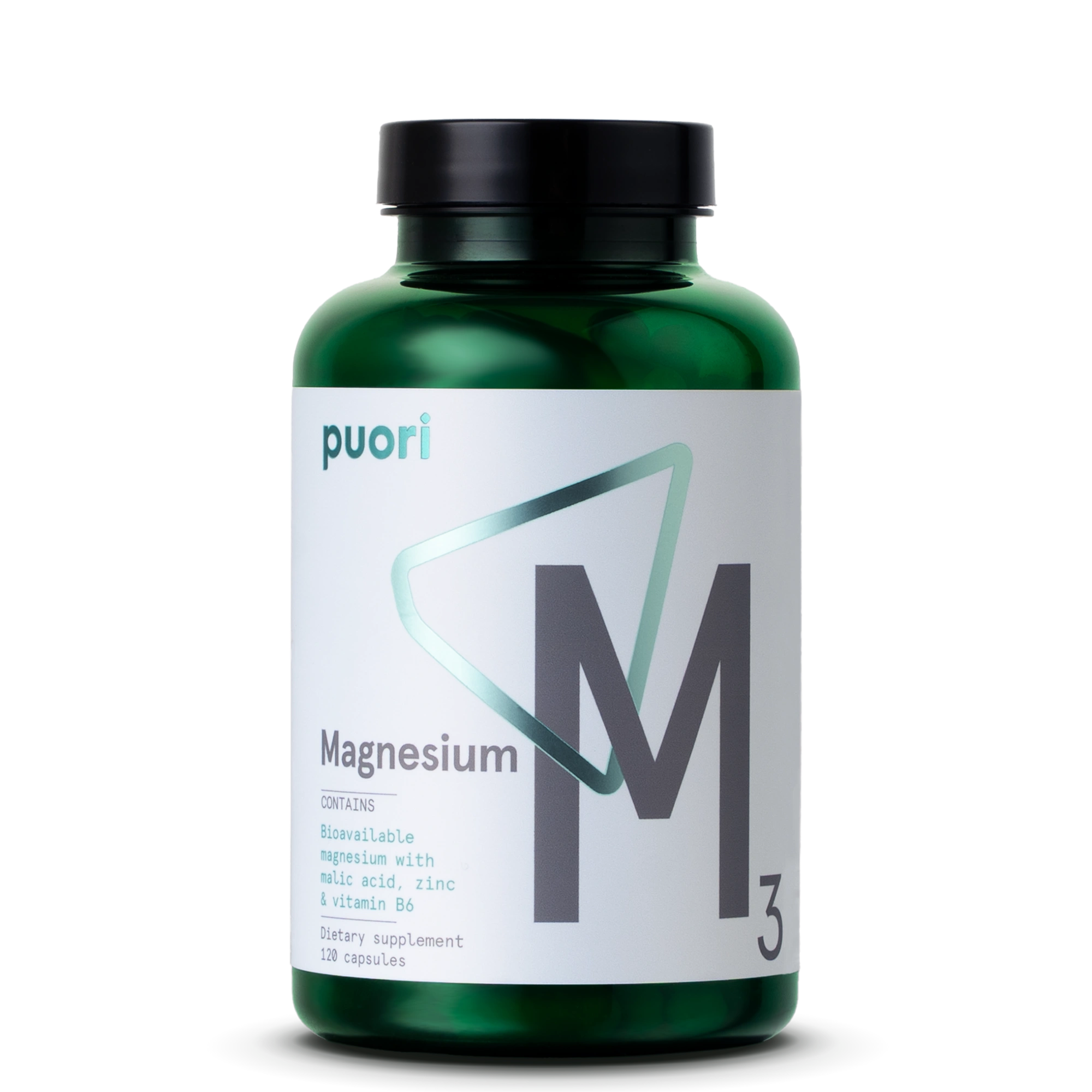
These are everyday signals, not a diagnosis, and they can have many causes. If they persist, speak to a healthcare professional. Where magnesium is the gap, the M3 Magnesium Complex pairs magnesium with vitamin B6.


