




The seven major minerals are calcium, phosphorus, magnesium, sodium, potassium, chloride, and sulfur. Beyond these, trace minerals like iron, zinc, selenium, iodine, and copper are also essential for overall health.
It depends on your individual needs, diet, and lifestyle. Beyond the nutrient itself, the form matters — some vitamin and mineral forms are more bioavailable than others, meaning the body can absorb and use them more effectively. Look for supplements with evidence-based dosages, carefully selected ingredients, and independent third-party testing.
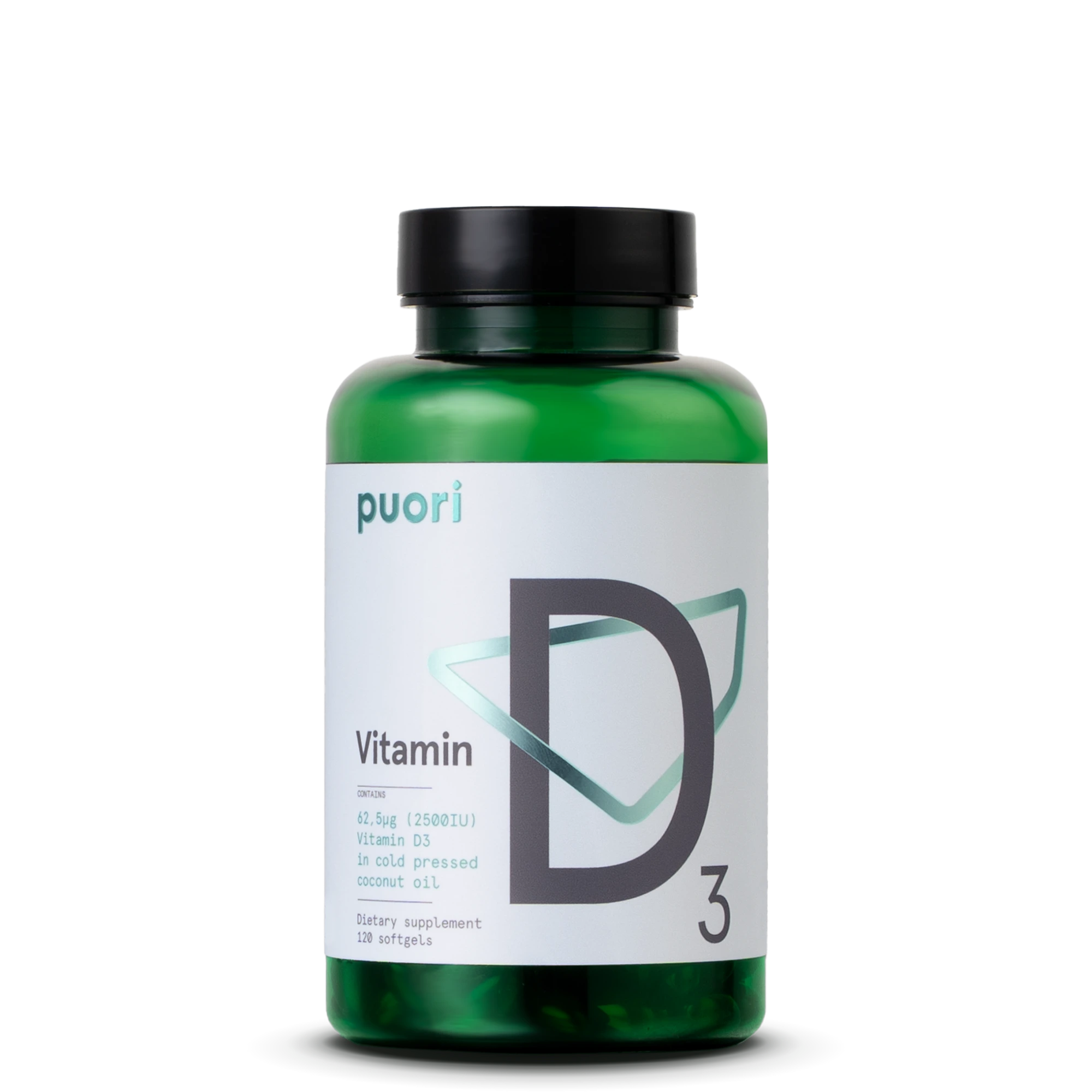
Most vitamins and minerals can be taken together safely. That said, high amounts of calcium may reduce iron absorption, and excessive zinc intake can affect copper levels. Some nutrients also work better in combination — vitamin D3 helps the body absorb calcium, while vitamin K2 helps direct it to bones and teeth. If you’re taking multiple supplements, it’s worth checking the formulation or speaking with a healthcare professional.
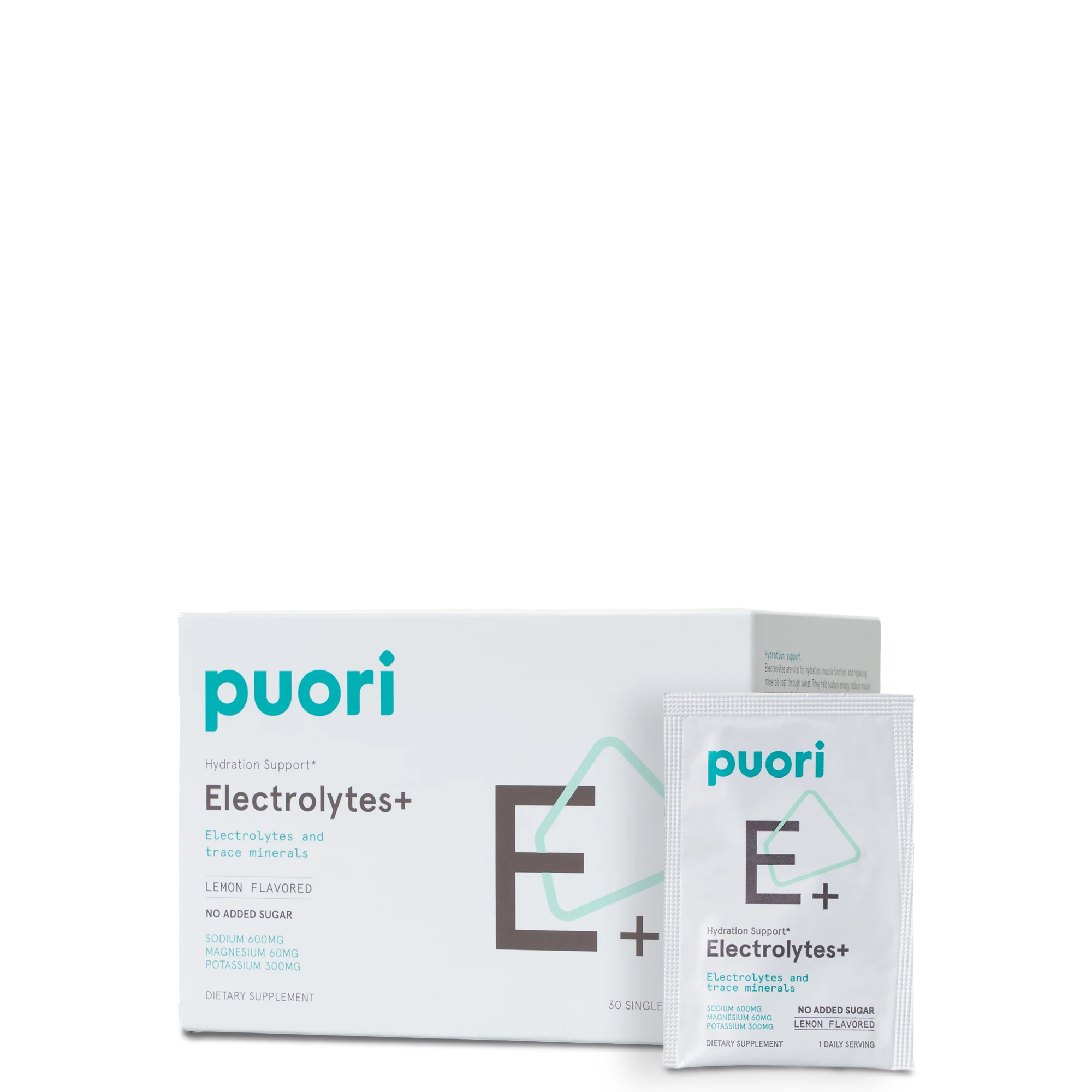
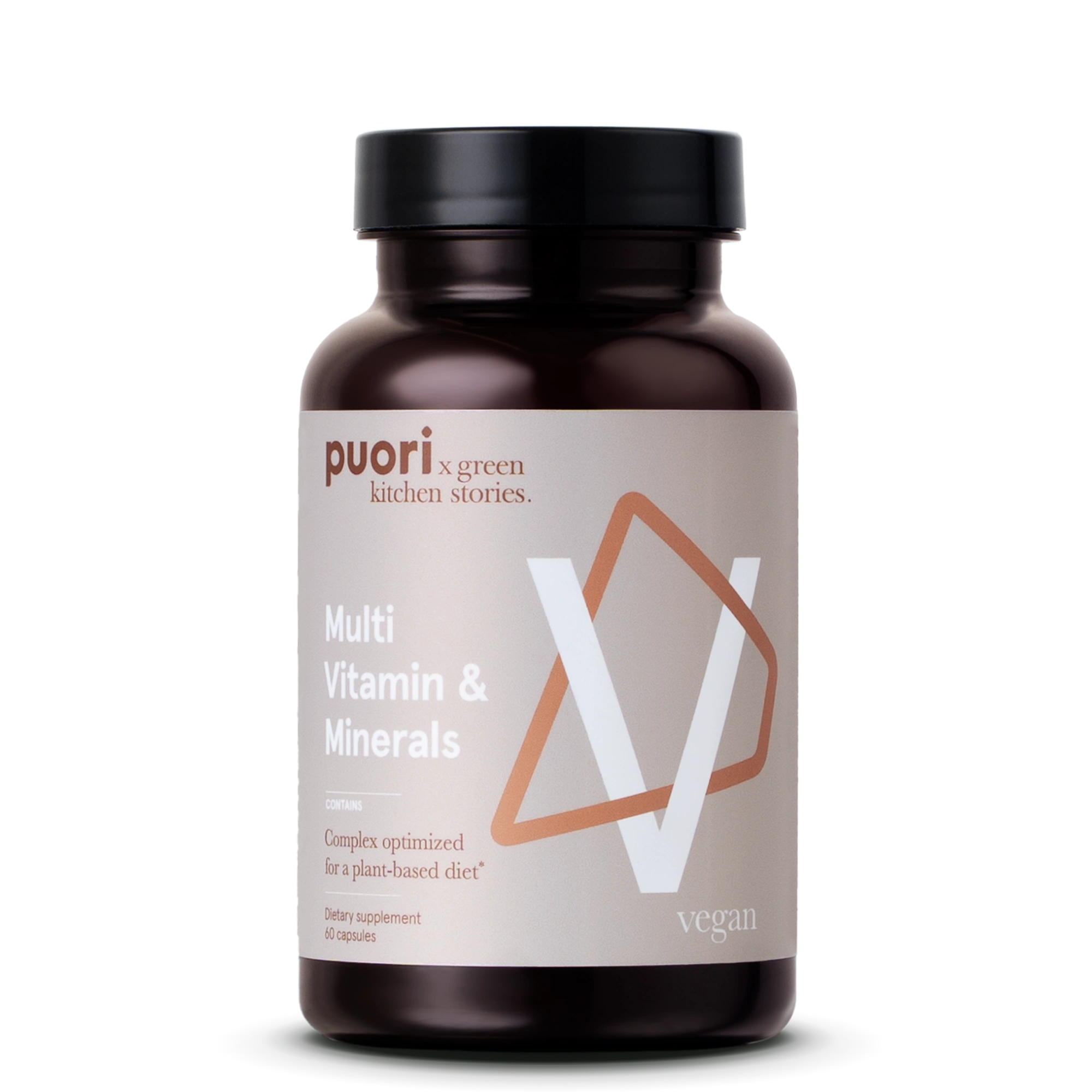
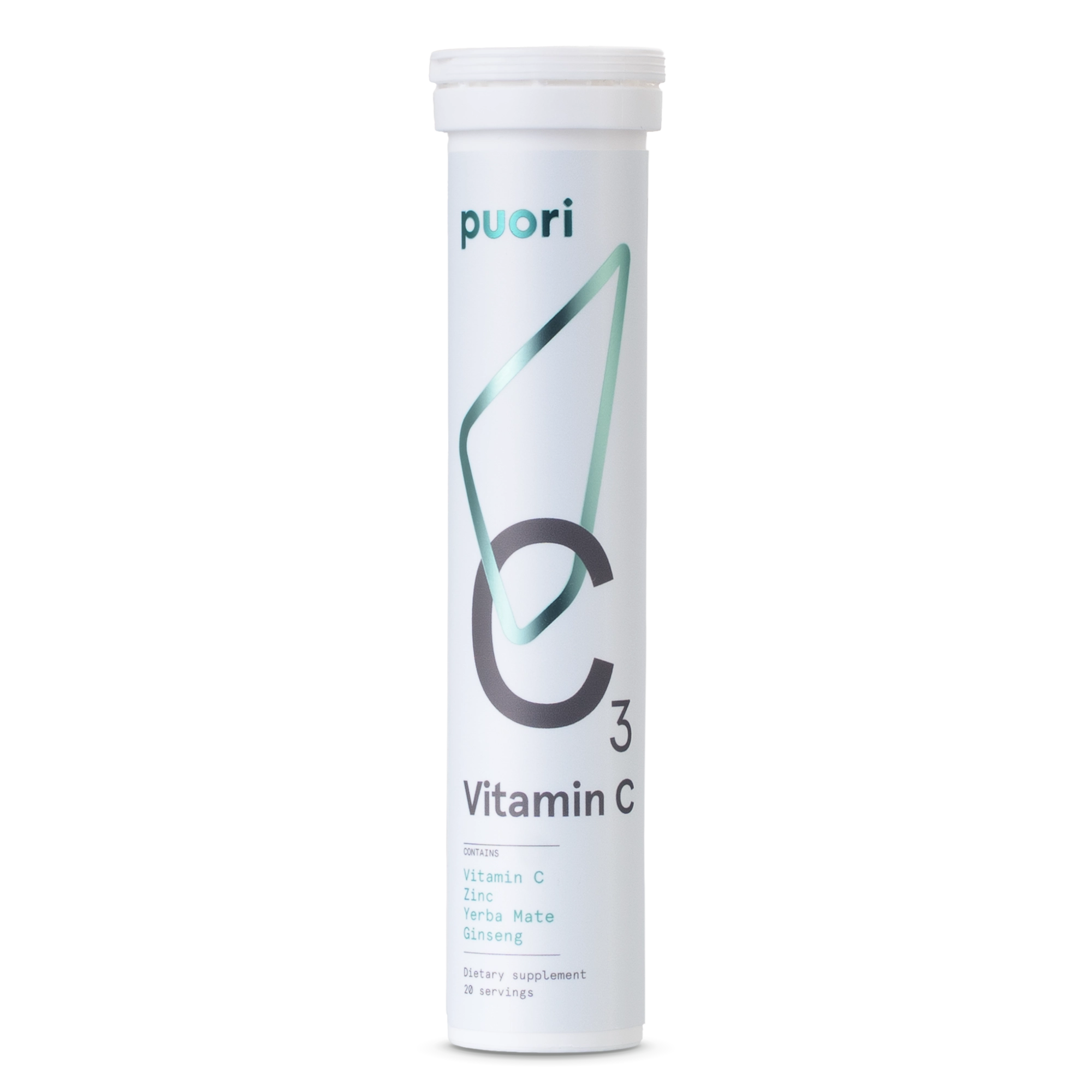
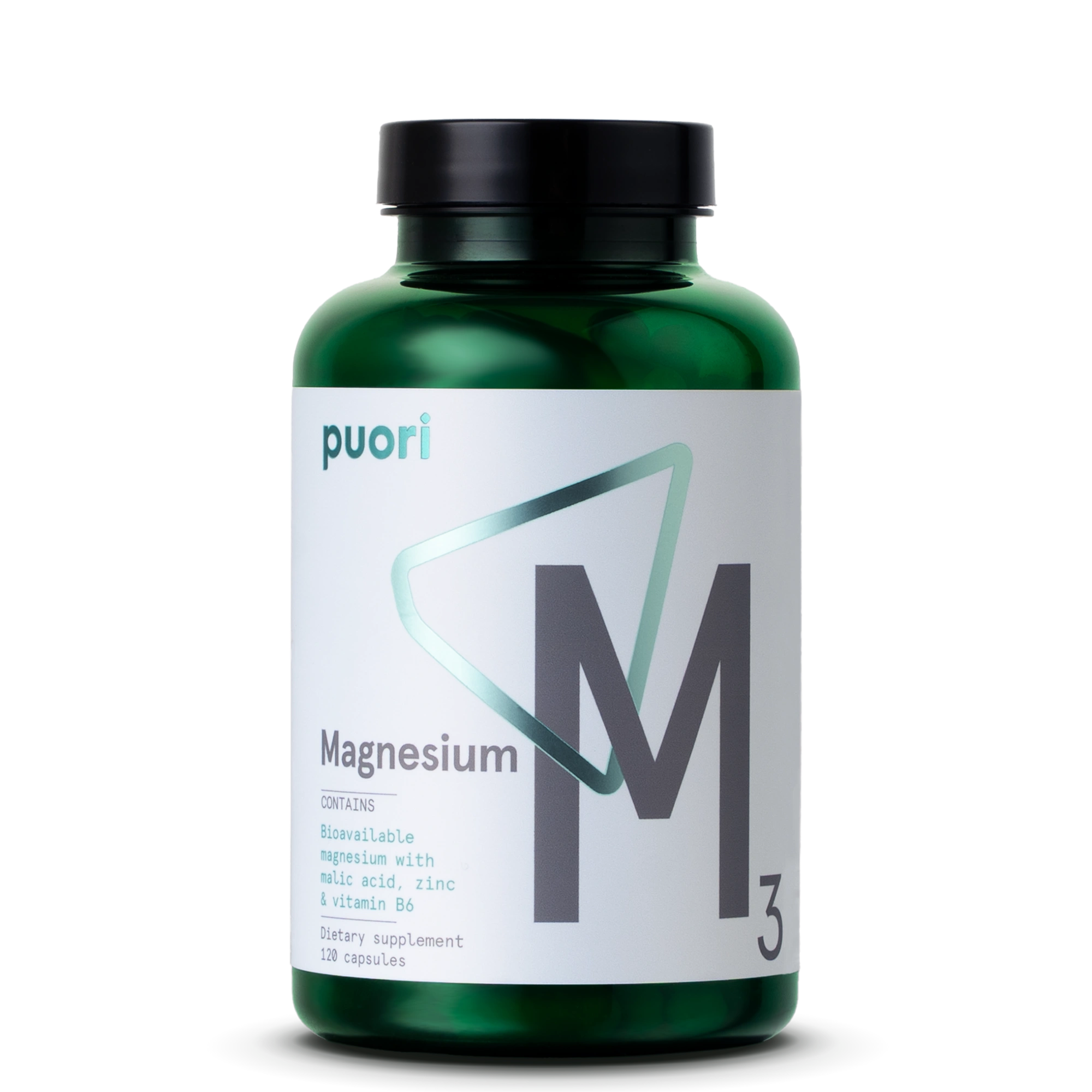
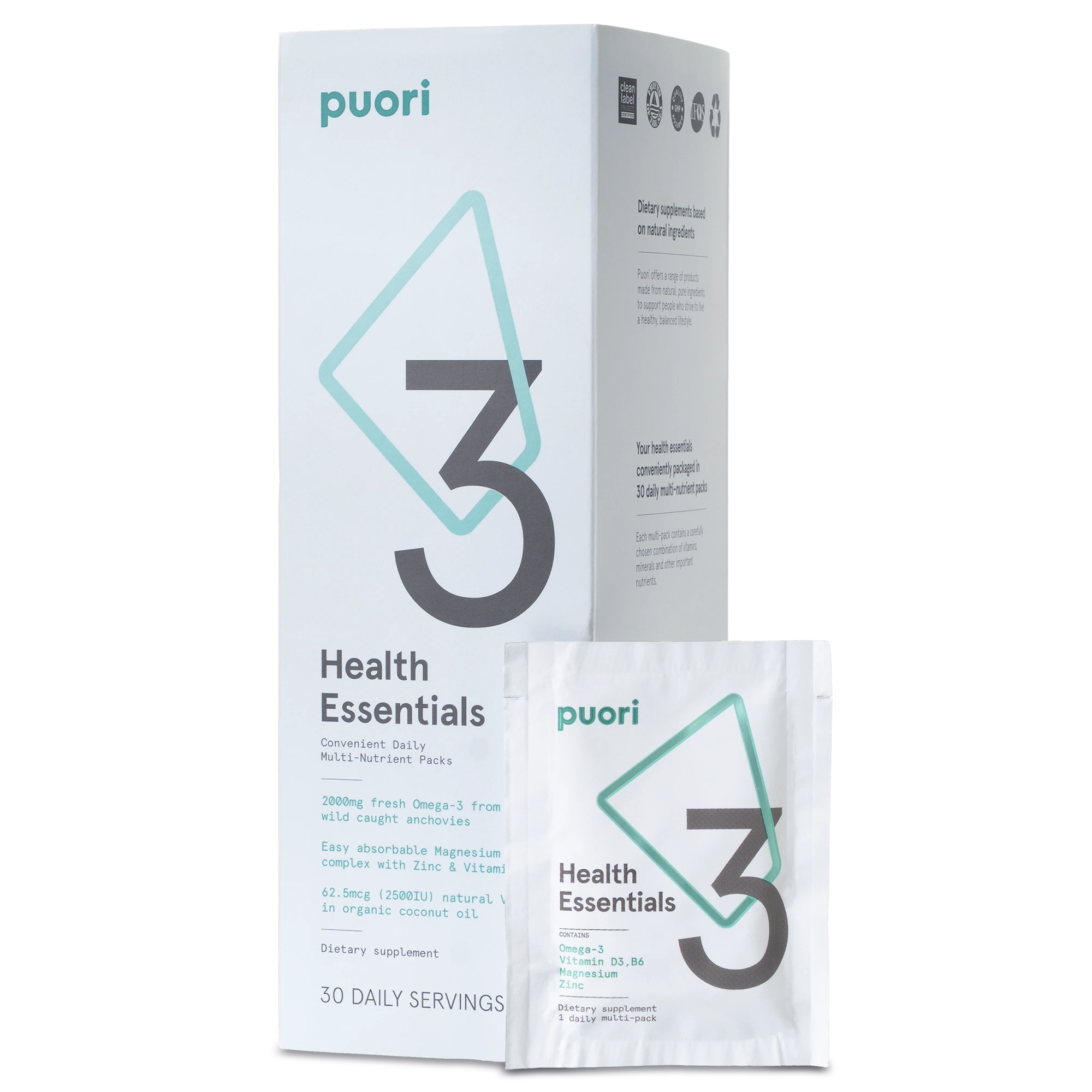
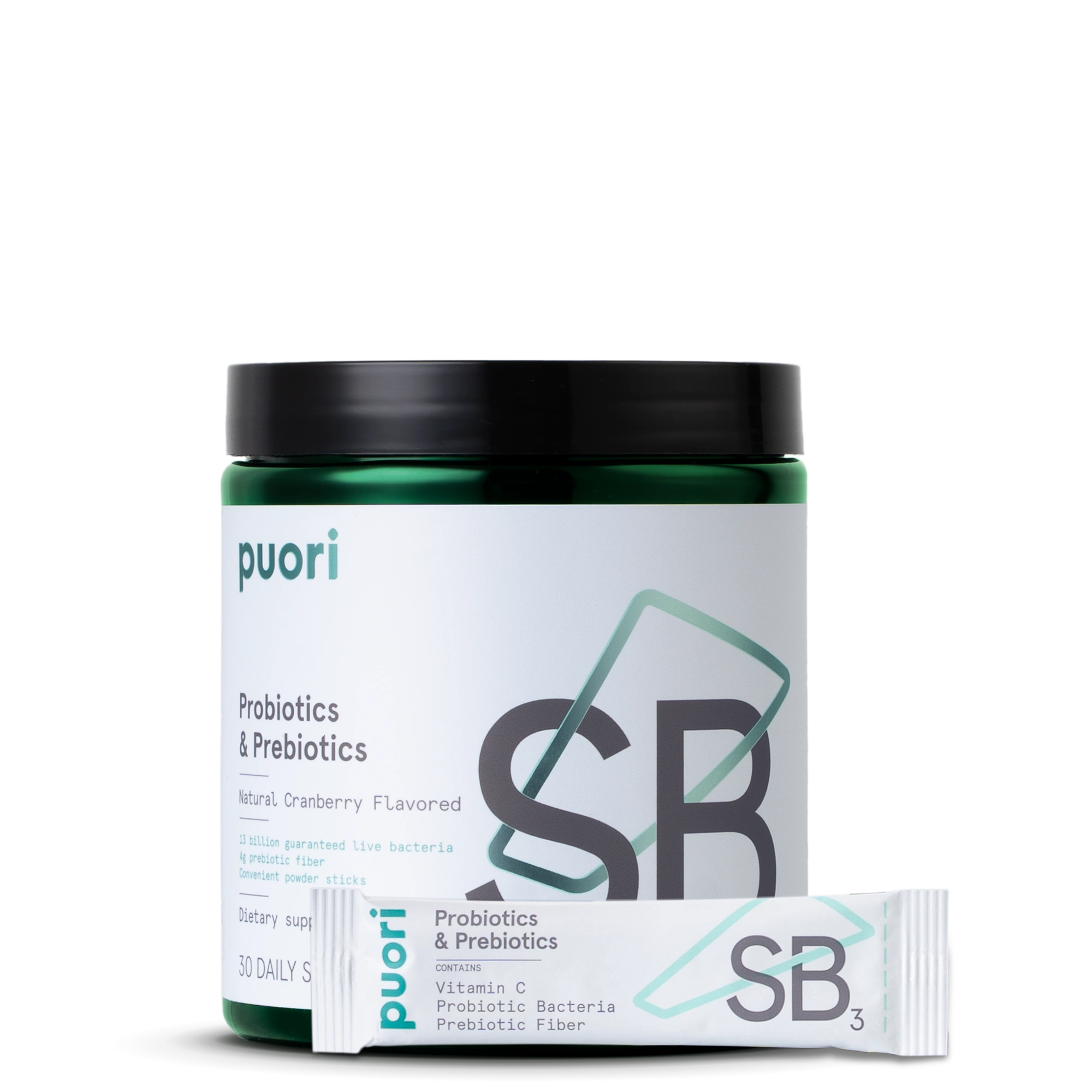
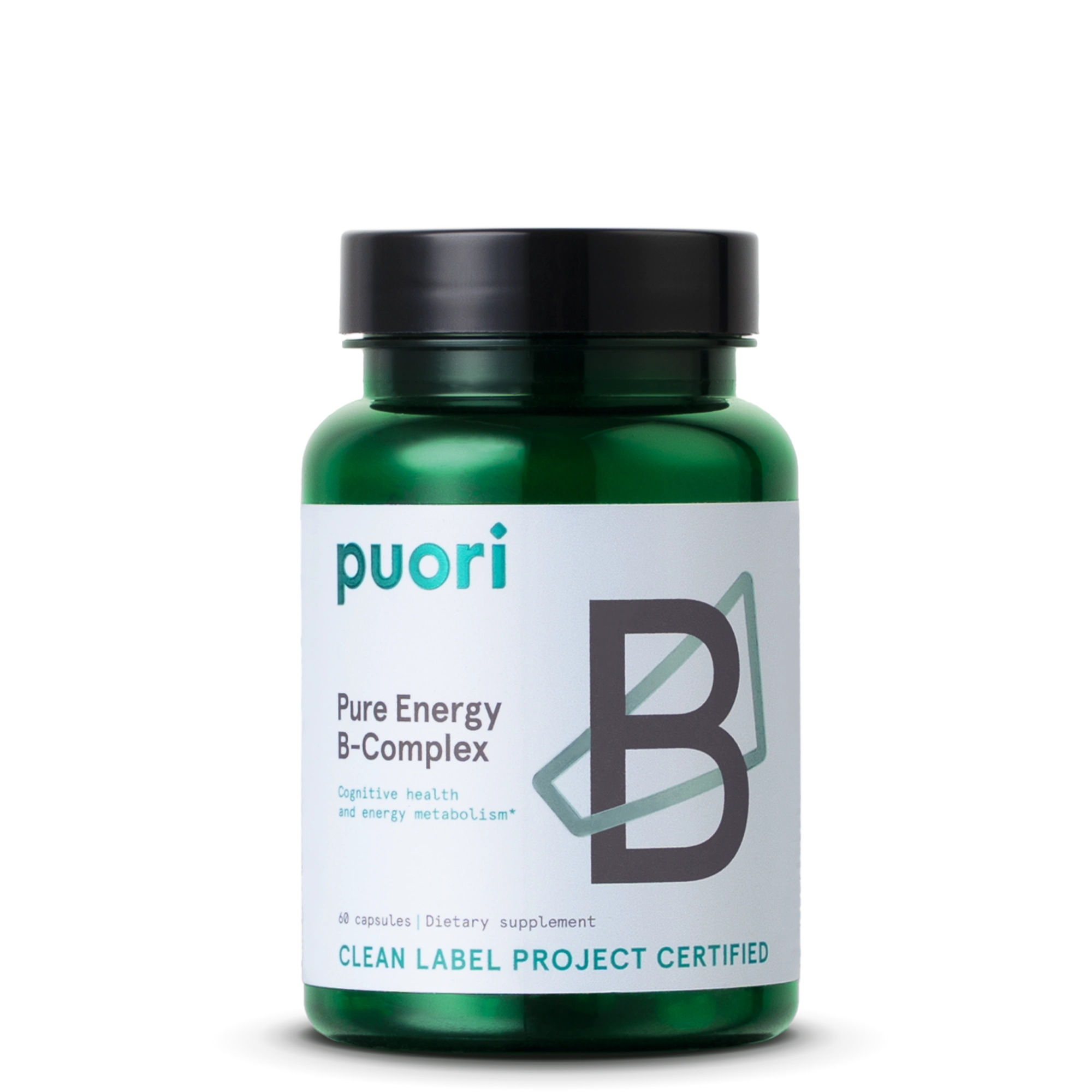
Start with a varied diet — plenty of vegetables, fruit, whole grains, quality protein, nuts, seeds, and healthy fats. When that’s not always possible, high-quality supplements can help. A good Multivitamin provides a solid daily foundation, while targeted nutrients like Vitamin D3, Magnesium (M3), or Vitamin C (C3) can help address more specific needs.


